

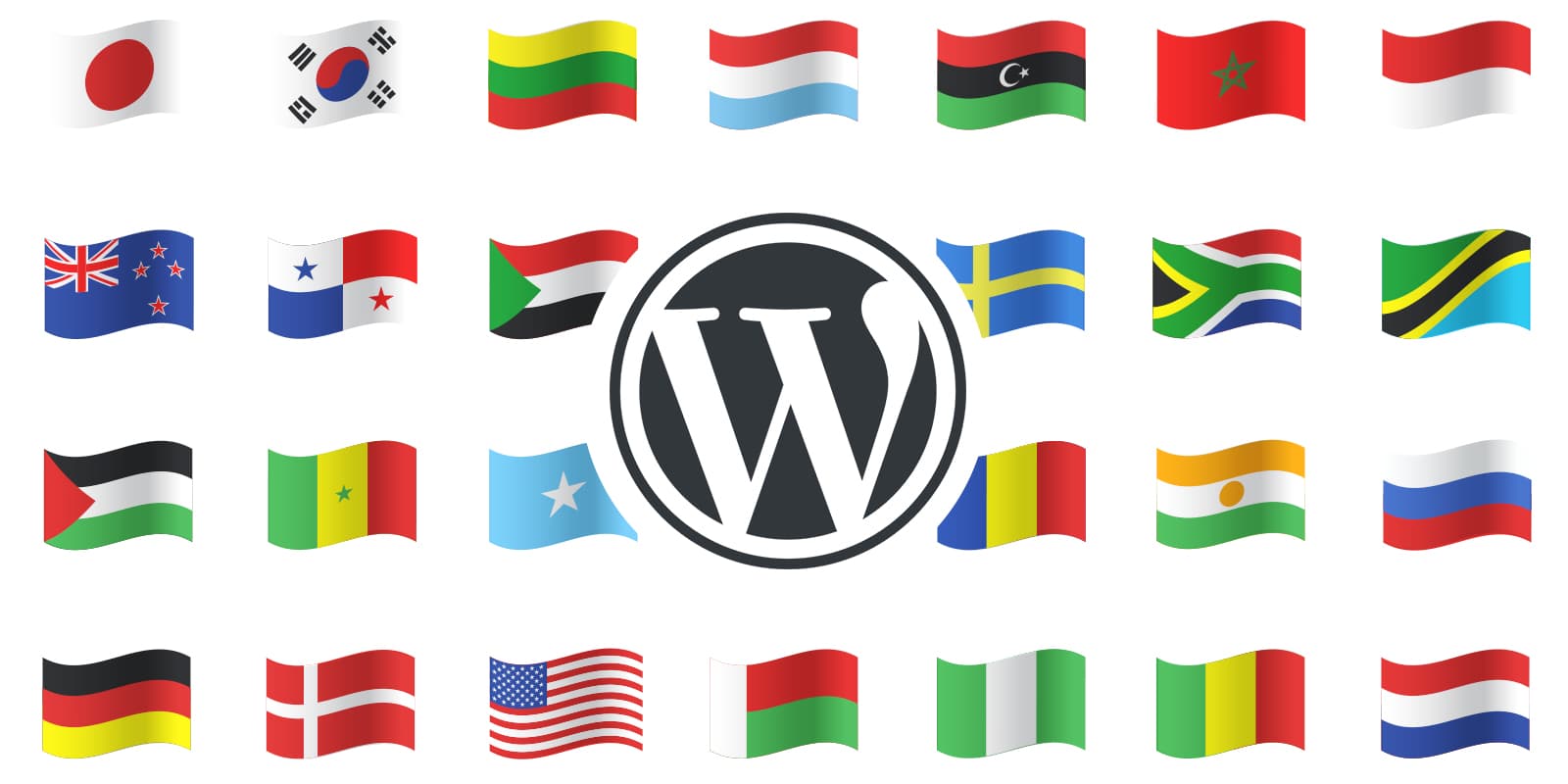
If you are an online retail shop owner, then you have probably considered reaching a much greater audience outside of your country. Of course, not every region you target will have people speaking English. In fact, a huge number of your potential customers don't know English.
There is an easy solution to this problem which is making your site multilingual. This article will discuss the pros and cons of multilingual plugins, their types, and some popular examples.
Website Localization Services
Localizing your website for different demographics is probably the best option out there. There are a myriad of ways to have your website available in multiple languages, but none comes close to the precision and accuracy that a translation and localization agency can offer. If you do not have a budget to approach a localization agency just yet, starting out with free multilingual plugins is probably the best route for you. But when the time comes that your business or blog has already generated a dedicated number of followers you would need to up the ante. Furthermore, if time is not a luxury for you and money is something you have in abundance, then, by all means, you are certainly welcome to explore options that do not require too much time and effort. The dedication required to translate a whole website—from your service pages to your blogs, is no small feat. Moreover, if you factor in the localization process then you would not even have any time to write new blog articles for a while or even run your business. For this reason, a lot of busy business and website owners are looking for quality website translation services that can deliver their needs in a timely manner. It is also an added convenience that a lot of these agencies have a strict quality assurance process and will guarantee the translation work for even a year after it has been delivered. After all, your customers are your bread and butter, and spoiling them with content that is available in their native language is something you should be doing.Advantages & Disadvantages of Multilingual Plugins
Obviously, multilingual plugins have their advantages and disadvantages. For starters, not all plugins can translate every part of your website. Some of them work well with posts but are powerless when it comes to meta description. In addition to that, a lot of plugins are not free and will require your money and effort to be put into them. As opposed to multilingual plugins, there are the so-called multi-sites. While a plugin translates your website and stores all the data together in one media library, going multisite means having several versions of your site with data stored in separate media libraries and sites located on different domains. Multisites have their own advantages such as increased performance, more language control, and more. In order to understand the disadvantages of multilingual plugins, we should compare them to multisites. There is a third option which is a combination of multilingual plugins and multisites, which might seem like the best choice, but every case is different and depending on your needs, some things will work for you better than others. The first big question is your budget. If you have a buck to spare, then purchasing a good multilingual plugin is the best way to go. Alternatively, you can spend time developing a proper multisite, but it will probably take more effort from your side. If your budget is low or you have no budget at all, you can consider using a free plugin. However, they are not always functional and need to be treated with caution. As a last resort, let your visitors use Chrome to translate your web pages. Compared to multi-sites, multilingual plugins often lack in performance. The size of your website also matters. If it is a small one, you should be good with a plugin, but if it is medium or large, then going multisite is your best bet. For SEO optimization, it is okay to use either a self-translate plugin (we will discuss what that means later) or go multisite. Remember never to use an auto-translate plugin if you want your content to be SEO optimized. And last but not least, if you think that you might want to drop a language in the future, multisite will definitely be easier in this sense. With multisite, you will only have to delete the version in the language you no longer need. After considering all of these aspects, you can be sure about your choice. Obviously, plugins are great in many senses. You might want to opt for a multisite, but that will only be required if you have high standards and the resources to meet those standards.Types of Multilingual WordPress Plugins
Now that you've realized that you absolutely need a multilingual plugin on your site, it's important to understand their types. There are two kinds of these:- Auto-Translate: These plugins rely on online translators to convert your content into a different language at the click of a button. They are often unreliable in the sense that most of the time machine translations are incomprehensible and lack the quality of human translations.
- Self-Translate: These plugins require you to do the translation yourself (or hire someone to do it for you). The process of entering the information first in English and then in other languages is obviously more time-consuming, but it produces the best results out of the two.
Tools To Help You
If you choose the self-translate transition path, you will need some good tools to help you translate your content. Here are three to check out:- Grammarly: A free online tool to check your English grammar, spelling, and punctuation. It can be used to adapt your content to the American, British, Canadian, or Australian English standards.
- The Word Point: An online translation and localization service to have your content translated by professionals. You can choose from 48 languages.
- Polish My Writing: An online spelling and grammar checker which supports such languages as English, Spanish, German, French, and Portuguese.





Responses (0 )