




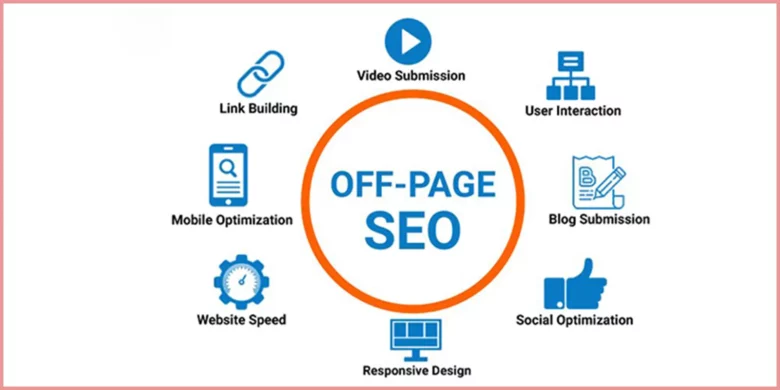
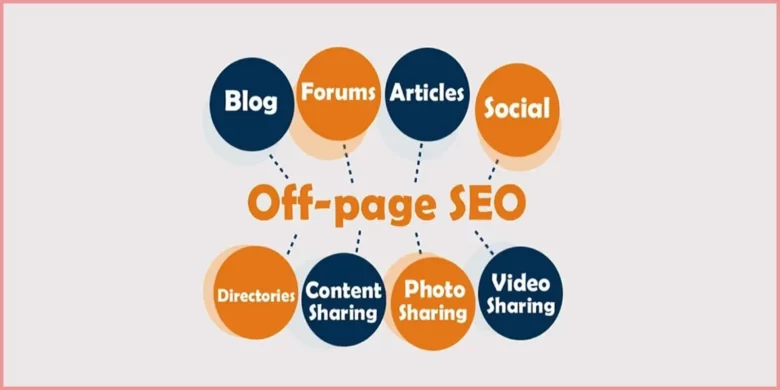
Off-page SEO is the actions and strategies implemented outside of your web pages to rank higher on search engines. Whereas on-page SEO is all about optimizing content on your own website, off-page SEO refers to building your site’s authority, credibility, and reputation throughout the web.
Off-page SEO is essential for increasing organic traffic, domain authority (DA), brand visibility, and searching ranking on WordPress websites. Today’s SEO isn’t only about earning links, but rather cultivating trust signals, brand authority, and actual engagement across the web.
In this article, we will examine the current landscape of off-page SEO for WordPress websites in 2026, focusing on strategies like link building aged digital Preservation + PR+ mediatization + strategic engagement with content around social media,, localised search marketing strategies and even distribution.
The Importance of Off-Page SEO for WordPress Websites
Off-page SEO lets search engines assess how credible and popular your website is relative to its competitors.
With strong off-page SEO, you reap the following benefits:
- Higher search engine rankings
- Increased domain authority
- More referral traffic
- Improved brand recognition
- Better credibility in your industry
E-E-A-T (Experience, Expertise, Authoritativeness and Trustworthiness) is what Google and other search engines use to assess websites and brands today which makes off-page signals important more than ever before.
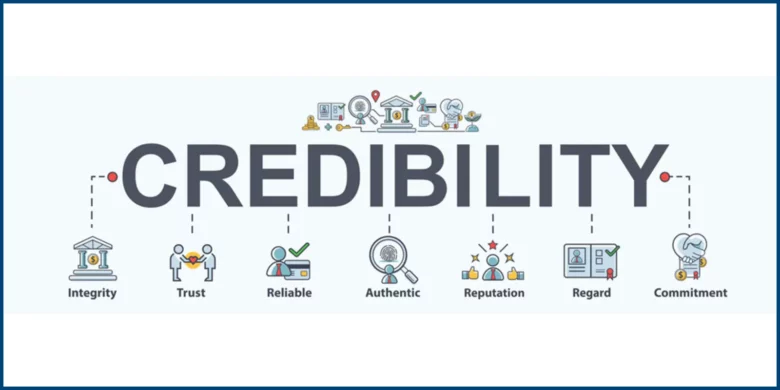
1. Building Credibility and Trust
Focus on E-E-A-T Signals
Modern SEO is about proving real expertise and credibility.
Here are some ways you can establish trust signals:
- Publishing expert-level content
- Getting mentions on authoritative websites
- Building author profiles
- Acquiring high-quality backlinks
- Maintaining a secure HTTPS website
Search engines look at these factors to decide if your WordPress site is worthy of a higher position.
2. Effective Link-Building Strategies
Backlink Generation
Backlinks have always been one of the strongest off-page ranking factors, however, how you build links has changed a lot. Search engines have evolved and now emphasize quality rather than quantity.
The links you earn from authority and relevant sites are worth much more than thousands of low quality ones. The idea is to develop relationships and produce content that organically pulls in references from other sites.
Guest Blogging
When done correctly, guest blogging is still one of the most popular strategies. Publishing the right articles on reputable sites in your industry, you will be able to address new audiences while growing your valuable backlinks. Data-based content: It has to be data based, it cannot just be links placed in the text.
Broken Link Building for WordPress
Another great strategy is broken link building. This process is linking seeing whoever has broken links on any other sites, and recommending your piece as an alternative. Website owners want to solve problems, and supplement things they already have, which often leads to mutually beneficial links.
Skyscraper Technique
The skyscraper technique is another well-known SEO tactic. This strategy will entail finding the top-performing content in your niche and writing an even better and more detailed piece. After it is published, you can contact websites that linked to the original piece and tell them about your upgraded resource.
Also Read: 27 Top SEO Companies In The World
3. Social Media Engagement for WordPress SEO
Modern off-page SEO increasingly overlaps with digital public relations. Instead of focusing purely on link acquisition, many successful strategies aim to generate brand mentions and media coverage.
Digital PR involves getting your brand featured in industry blogs, news websites, podcasts, and expert roundups. These mentions help build brand recognition and strengthen your authority within your niche.
Even when a mention does not include a direct backlink, it can still contribute to stronger brand signals. Search engines are becoming better at recognizing brand references and associating them with credibility and topical expertise.
- Social Signals and Their Role in SEO
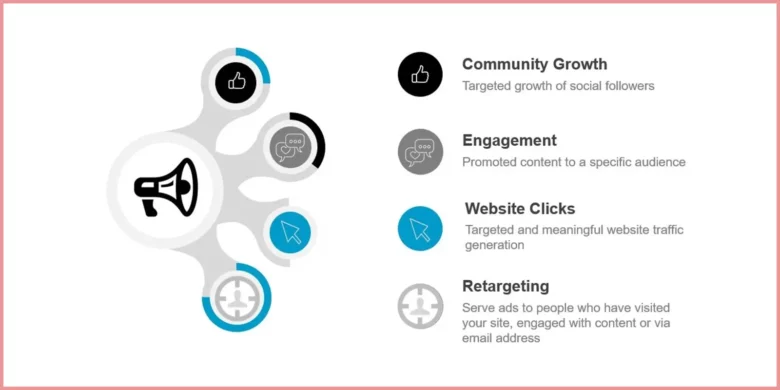
Social signals which include shares along with likes and comments work as indicators for measuring content popularity levels. Social signals operate separately from rankings while providing value through audience generation and traffic enhancement.
- Leveraging WordPress Social Plugins
Use plugins like Social Snap or Monarch to integrate social media buttons seamlessly into your site.
- Building a Social Media Community Around Your Content
Talk to your audience while you promote blog content respond to their comments and launch Q&A and polls to build engagement. This fosters trust and encourages content sharing.
4. Local SEO and Citation Building

Set up a Google My Business profile and optimize your site for local keywords. Use WordPress plugins like WP Local Plus for seamless local SEO integration.
Off-page local SEO is also necessary for businesses targeting a specific geographic area. External signals like directory listings, reviews, and location-based citations are critical to local search rankings.
Build a business profile on all good platforms and optimize it so that when people look for your company, they will find good information. Reputable directory listings also solidify the legitimacy of your business.
In local SEO, consistency is even more important. They should have the same business name, address and phone number everywhere. Consistent listings also help search engines confirm the accuracy of your business information and enhances local ranking.
- Creating Local Citations and Directories
Your business must get listed on platforms such as Yelp and Yellow Pages within local directories. Check that the information stays correct and matches throughout all presentations.
- NAP Consistency Across Platforms
Ensure your Name, Address, and Phone (NAP) details are identical across all platforms. This builds trust and improves local search rankings.
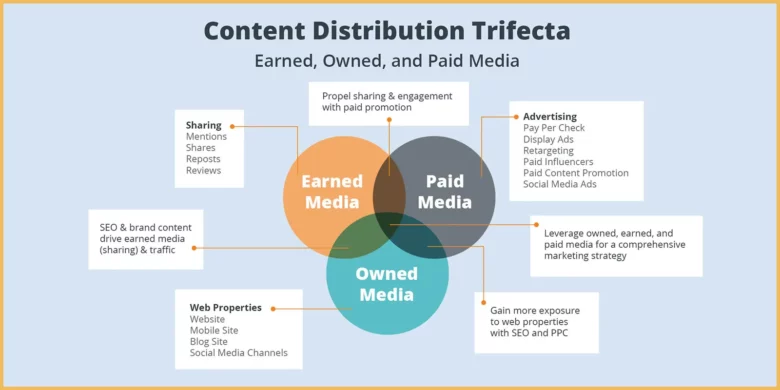
5. Content Promotion and Distribution Tactics
Content Syndication for WordPress Sites
Once you are done reading, cross post your articles in medium or LinkedIn. Canonical Tags Avoid Duplicate Content Penalties
Build Content That Attracts External Promotion
Concentrate on writing deep, original, and valuable content. Tutorials, case studies, or lists are typically great forms of posts that attract backlinks.
Paid Content Libraries and WordPress content Repurposing
Your blog should slowly evolve into infographics, videos and also audio in the shape of podcasts. With this approach, your content becomes interpretable to multiple audiences.
6. Video and Visual Content for Off-Page SEO
Promote Your WordPress Site with YouTube Optimization
Start Shopping on YouTube and Supplement your WordPress Page Use keywords and links to your site in the video description.
Infographics as Linkable Assets
Create stunning infographics using tools like Canva or Venngage. Also, share on websites such as Pinterest for any additional backlinks.
Use Visual Content in Social Media to Increase Engagement
Social platforms thrive with visual content. Enhance your post visibility by sharing pictures, infographics and videos.
Also Read: 10 Best Education WordPress Themes of 2025
7. Managing Online Reputation and Reviews
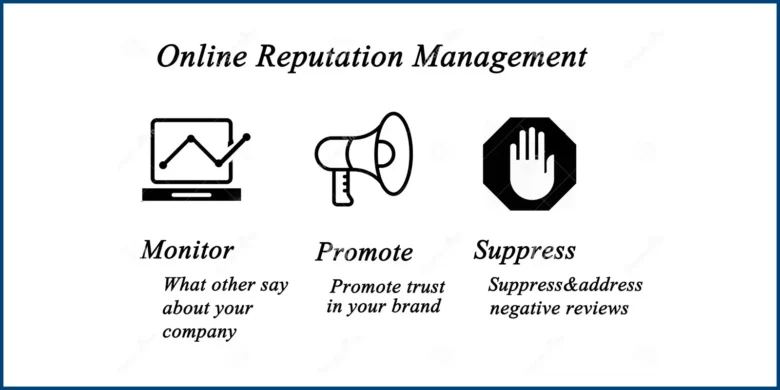
The importance of online reviews in SEO
Positive reviews on platforms such as Google as well as Trustpilot establish better credibility. Ask happy customers to write reviews.
Review and Reply to Customer Input
Be sure to reply and respond to all reviews — good and bad. It helps build trust and demonstrates you care about your audience.
Using WordPress Plugins for Reviews Management
With the help of plugins such as WP Customer Reviews, you can manage and display reviews right from your site.
8. Effective Use of Forums and Q&A Sites
Participating in Forums Like Quora and Reddit for Backlinks
Participate in niche relevant questions on Quora or Reddit. Post relevant links to your WordPress website.
WordPress-Related Communities and Forums
Whatever your niche may be, participate in WordPress communities and share your expertise while driving traffic to your website.
MAKE EVERGREEN CONTENT FOR OUTPOSTS AND ALL SITES
Create content that addresses frequently asked questions in your niche. Such content tends to remain evergreen and continues garnering search traffic.
Measuring and Tracking Off-Page SEO Success
- Using Google Analytics and Search Console for Tracking
Track traffic, backlinks, and referral sources to measure your off-page SEO success.
- Backlink Auditing Tools for WordPress Sites
Use tools like Ahrefs, Moz, or SEMrush to audit your backlinks. Ensure all links are from reputable sources.
- KPIs to Track Off-Page Success
Monitor metrics like domain authority, organic traffic, social shares, and the number of referring domains.
Conclusion: Mastering Off-Page SEO for Long-Term Success
Working on Off-page SEO delivers valuable effects despite taking significant time to reach results. The fundamental elements to success include developing credibility while effectively managing engagement on social media platforms and publishing valuable linked content. Tools like WordPress plugins and analytics platforms simplify this process.
Patience and consistency are crucial for mastering off-page SEO. Stay committed to these strategies, and your WordPress site will steadily climb the search rankings.
Also Read: How to Fix WordPress Plugin Request Time Out Error
Comments 0
Complete Guide to Building a WordPress Website from Scratch
[…] Also Read: Best Off-Page SEO Tactics and Practices For WordPress Site […]
Aaron
What an excellent overview of off-page techniques. I’m excited to see how they benefit my site.